
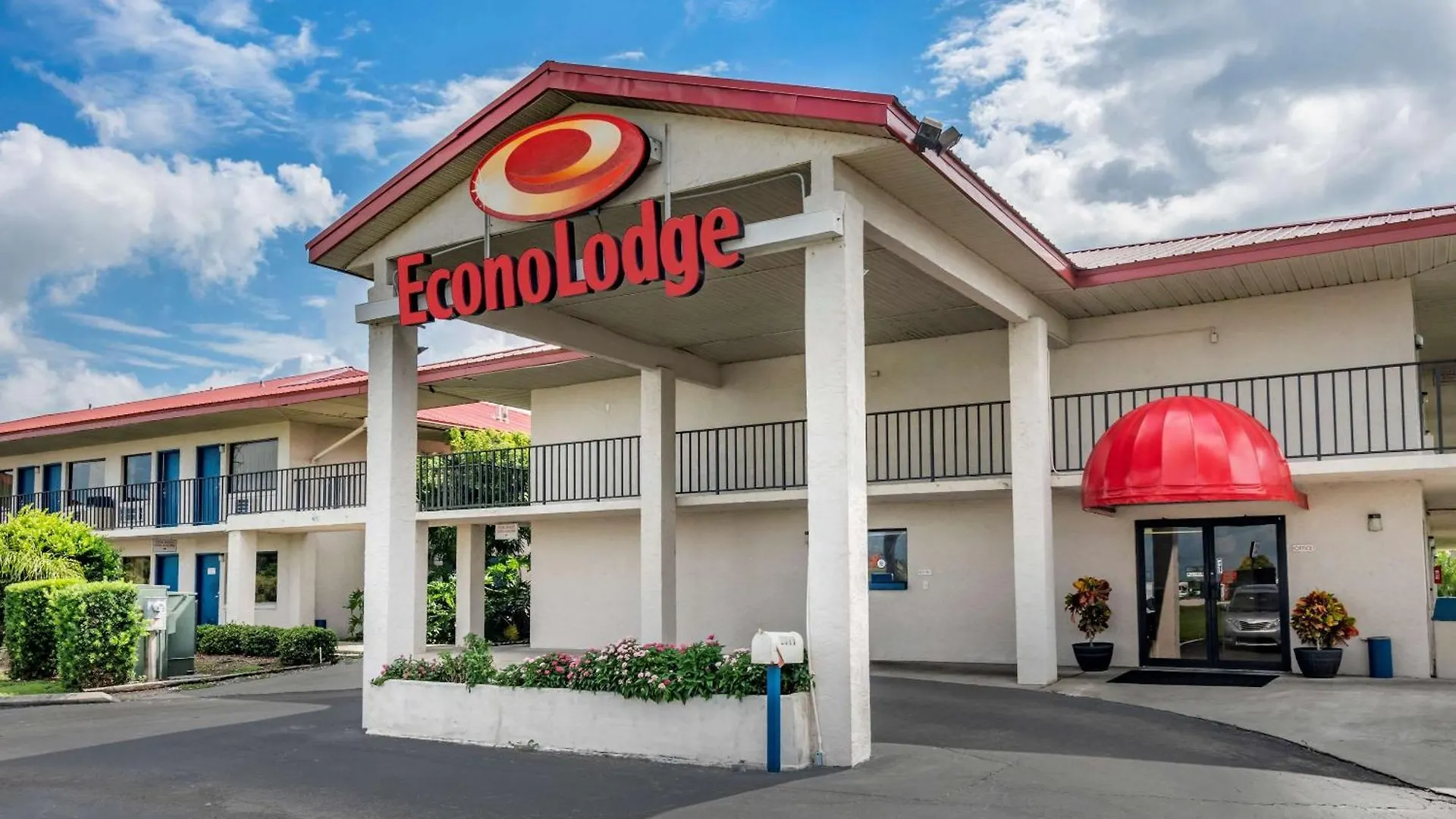
Florida's lodge hotels offer a practical, road-trip-friendly alternative to branded chains, with free parking, outdoor pools, and complimentary breakfast built into the rate. Whether you're cutting through Central Florida on I-75 or exploring the state's lesser-visited interior towns, these properties serve as reliable overnight anchors without inflating your budget.
What It's Like Staying in Florida
Florida is a driving state - nearly every major attraction, nature park, and coastal destination requires a car, and most travelers log significant mileage between stops. Free parking matters here more than in almost any other U.S. state, making lodge-style properties with on-site lots a practical default. Peak season runs from December through April when northern snowbirds and spring breakers push occupancy up, while summer brings heavy afternoon thunderstorms and high humidity but noticeably lower nightly rates.
Florida rewards travelers who understand its geography: the state is around 700 miles long, so where you stay significantly shapes what you can reach in a day. Budget-conscious road trippers and nature explorers benefit most from staying here; travelers seeking a walkable urban vacation may find Florida's sprawl frustrating.
Pros:
- Year-round outdoor swimming is realistic thanks to Florida's climate, even outside summer
- Most lodge hotels include free parking - a genuine cost saver compared to resort fees at beach properties
- Central Florida's highway network (I-75, I-4, US-27) makes multi-stop itineraries efficient and well-connected
Cons:
- Public transit is nearly nonexistent outside Miami and Orlando, making a rental car effectively mandatory
- Summer humidity between June and September is intense and can limit outdoor activity windows
- Popular corridors like Tampa-Orlando book up weeks ahead during holiday weekends and spring break
Why Choose Lodge Hotels in Florida
Lodge hotels in Florida occupy a well-defined niche: highway-adjacent, amenity-efficient, and priced well below the resort tier without stripping out essentials. Continental breakfast and free WiFi are almost universal in this category, which meaningfully reduces daily travel costs for families and road-trippers. Unlike full-service hotels that charge resort fees of around $35 per night, lodge properties typically present their rates as all-in.
Room sizes in Florida lodge hotels tend to be functional rather than generous - expect standard doubles or queen rooms with microwaves and mini-fridges, which allow self-catering to reduce meal spending. Trade-offs include limited evening amenities, minimal on-site dining beyond breakfast, and locations that prioritize highway access over neighborhood walkability.
Pros:
- Complimentary breakfast is standard, often covering hot items, fruit, and coffee - meaningful for early-departure days
- Outdoor pools are consistently available, even at entry-level price points
- Properties are positioned near interstate exits, making them efficient as journey waypoints or regional exploration bases
Cons:
- Dining options on-site rarely extend beyond breakfast, requiring a car for dinner
- Locations adjacent to highways mean road noise can be noticeable in standard rooms
- Limited lobby and communal spaces compared to full-service hotels at similar prices
Practical Booking & Area Strategy
Florida's lodge hotel market divides into two practical zones for most travelers: the I-75 corridor running from the Tampa Bay area north through Lake City toward Georgia, and the state's interior lake region centered around Sebring and Avon Park. The I-75 corridor benefits from proximity to Tampa attractions - Busch Gardens sits within minutes of the Wesley Chapel exit - while the interior lake region appeals to nature-focused visitors targeting Highlands Hammock State Park, the Peace River, and Lake Placid's arts district.
Lake City serves as a strategic overnight stop for travelers driving between Central Florida and the Florida Panhandle or Georgia, with Ichetucknee Springs State Park and Ginnie Springs both reachable within around 35 kilometers. Book at least 3 weeks ahead for travel between December and March, particularly along the I-75 corridor where snowbird traffic reliably fills budget-tier properties. Summer and early fall offer the most flexible last-minute availability, though you should verify hurricane season conditions if traveling August through October.
Best Value Lodge Stays
These properties deliver reliable road-trip fundamentals - free parking, outdoor pools, and included breakfast - at price points that work for budget-conscious travelers navigating Florida's interior and northern corridors.
-
1. Econo Lodge Sebring
Show on map


 Check-infrom 15:00 until 23:59Check-outuntil 11:00
Just a few rooms left at the best rate!
fromUS$ 60
-
2. Econo Lodge Live Oak
Show on map


 Check-infrom 15:00 until 23:59Check-outuntil 11:00
Just a few rooms left at the best rate!
fromUS$ 97
-
3. Econo Lodge Lake City-North
Show on map


 Check-infrom 15:00 until 23:59Check-outuntil 11:00
Hurry – almost gone at this price!
fromUS$ 83
Best Mid-Range Lodge Pick
For travelers prioritizing access to Tampa's major attractions with interstate convenience and a broader set of on-site amenities, this property steps up from the basic lodge tier without crossing into resort pricing.
-
4. Econo Lodge Wesley Chapel I-75
Show on map


 Check-infrom 15:00 until 23:59Check-outuntil 11:00
Rooms filling fast – secure the best rate!
fromUS$ 70
Smart Travel & Timing Advice
Florida lodge hotels follow a pricing pattern closely tied to snowbird migration: rates climb from late November and peak around February, when Northern retirees fill budget-tier properties for weeks at a time. Booking 4 weeks ahead for any travel between December and March is the safe standard on the I-75 corridor, particularly near Tampa. The springs region around Lake City and Live Oak experiences its own demand spike in spring when tubing and kayaking season peaks at Ichetucknee - plan accordingly for March and April weekends.
Summer (June-August) offers the lowest rates and easiest availability across all four properties, though afternoon thunderstorms are nearly daily and humidity limits comfortable outdoor time to mornings. A 2-night stay is the practical minimum for using a lodge as a regional exploration base; single-night bookings make the most sense for pure transit stops between destinations. Last-minute deals are realistic in September and October, but hurricane alerts can complicate travel plans - check NOAA forecasts before booking non-refundable rates during this window.


